On May 21, 2024, we celebrate International Tea Day, a day dedicated to honoring the cultural, economic, and social significance of tea across the globe. Tea is not just a beverage; it is a vital part of rural development, poverty alleviation, and food security in many developing countries. The tea sector is a major source of income and employment for millions of poor families worldwide, with global tea production exceeding USD 17 billion annually. The tea trade, valued at about USD 9.5 billion, significantly contributes to export earnings for many countries.
A remarkable aspect of the tea industry is the contribution of smallholders, who are responsible for 60 percent of the world’s tea production. This not only creates jobs in rural areas but also empowers communities to achieve food security and improve their nutritional status. Over the past decade, world tea per capita consumption has increased by 2.5 percent, driven mainly by demand in producing countries. However, traditional markets in Europe and other advanced economies have seen a decline in tea consumption volumes.
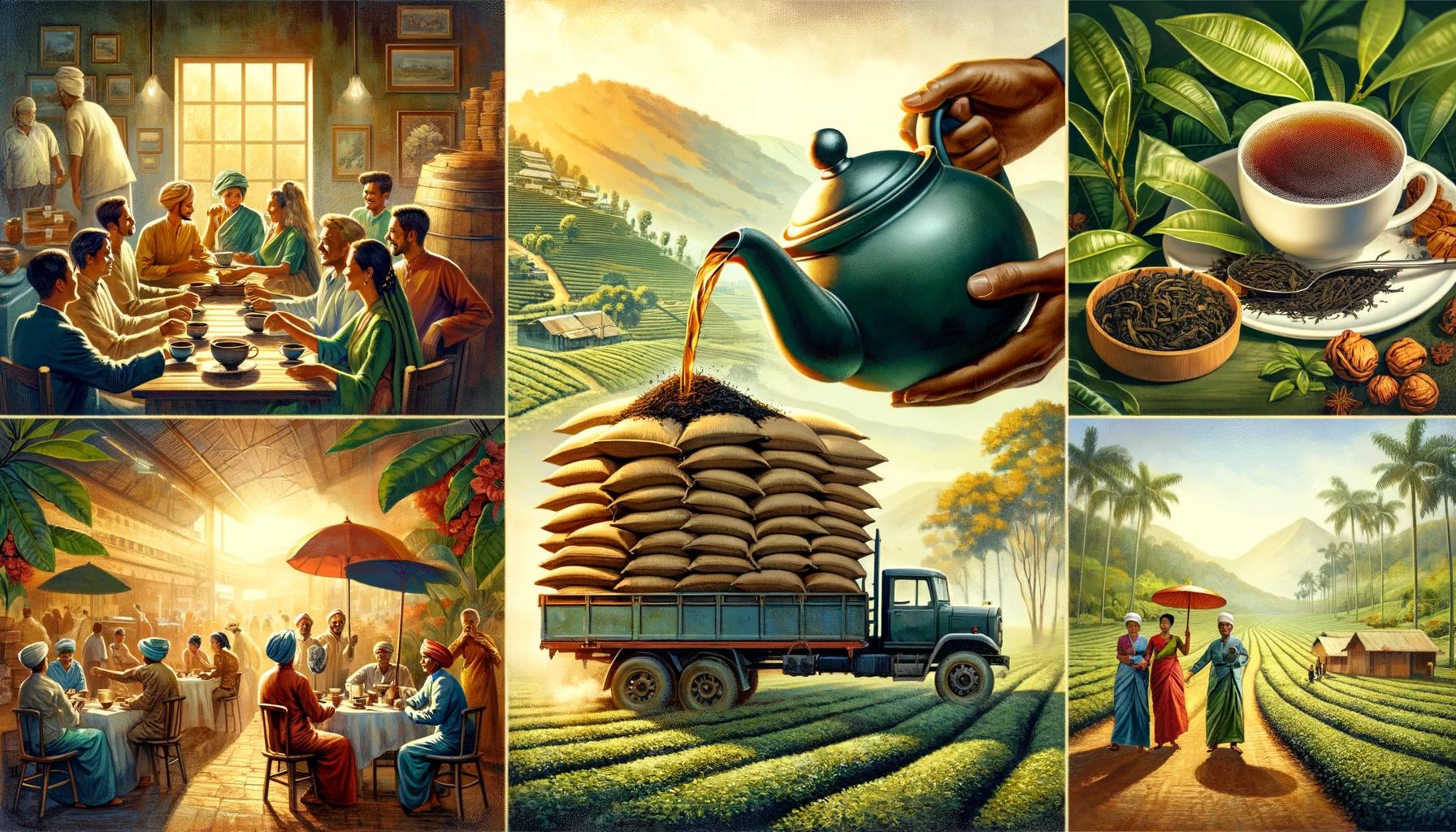
The tea market is evolving, with innovation playing a key role. Consumers are increasingly seeking natural and organic ingredients, diverse blends, and unique flavors. There is also a growing interest in high-quality specialty teas, such as green tea and herbal infusions, especially in Europe, due to their perceived health benefits. The trend towards “premiumization” has attracted a younger demographic from an emerging middle class, particularly in developing economies.
Despite its growth, the tea sector faces significant challenges, including the need for sustainable practices throughout the value chain. Prices and incomes, demographic factors, and cultural backgrounds all influence tea demand. In many producing countries, growing domestic consumption has reduced the volume available for export. Efforts to expand demand within these markets could unlock further opportunities.
The FAO Tea Composite Price, which includes black tea from major auctions, experienced fluctuations due to various factors, including the COVID-19 pandemic and the Russia-Ukraine conflict. These events impacted logistics, trade, and fertilizer availability, affecting both tea prices and quality. In 2021, world tea production increased to 6.5 million tonnes, with China remaining the largest producer, followed by India.
Tea exports recovered slightly in 2021, supported by higher exports from Kenya and China. Global tea consumption grew by 3.5 percent annually over the last decade, with significant increases in major producing countries such as China and India. However, per capita consumption remains lower in these countries compared to traditional importing markets.
Looking ahead, the medium-term outlook for tea is optimistic. By 2030, world black tea production is projected to grow annually by 2.1 percent, driven by increases in China, Kenya, India, and Sri Lanka. World green tea production is expected to rise even faster, at 6.3 percent annually, primarily due to productivity improvements in China and Vietnam. Consumption trends also show promising growth, particularly in black tea, with China expected to see the largest increase.
The tea trade is projected to continue expanding, with exports of black tea growing by 1.4 percent annually and green tea exports by 4.0 percent. Key exporters like Kenya, China, and Vietnam will play significant roles in this growth. However, the tea sector must address several pressing issues to ensure long-term sustainability, including the impacts of climate change, the need for environmentally friendly practices, and the economic viability of smallholder producers.
International Tea Day is an opportunity to acknowledge the tea sector’s contributions to rural development and global trade. It also highlights the need for sustainable practices to support the millions of people who rely on tea for their livelihoods. As we celebrate this day, let us recognize the importance of innovation, quality, and sustainability in securing a prosperous future for the global tea industry.
The following table displays the percentage of respondents who regularly consume tea in selected countries. The data comes from a survey conducted by Statista Consumer Insights between April 2022 and March 2023. The survey included 1,000 to 10,000 respondents per country aged 18-64, except in India where respondents were aged 18-54.
Tea popularity by country
| Country | Percentage (%) |
|---|---|
| Turkey | 87 |
| Kenya | 83 |
| Pakistan | 82 |
| Morocco | 79 |
| India | 70 |
| Ireland | 64 |
| UK | 58 |
| Germany | 55 |
| USA | 49 |
| China | 45 |
| Spain | 40 |
From the data, it is evident that Turkey has the highest percentage of regular tea drinkers, with an overwhelming 87%. This is followed closely by Kenya (83%) and Pakistan (82%). These countries have strong cultural ties to tea drinking, which likely contributes to the high percentages. Morocco and India also show high levels of tea consumption at 79% and 70%, respectively.
In contrast, European countries such as Ireland and the UK, known for their tea traditions, have lower percentages compared to the leading countries, with Ireland at 64% and the UK at 58%. Germany, the USA, China, and Spain show relatively lower tea consumption rates, with Germany at 55%, the USA at 49%, China at 45%, and Spain at 40%.
The variations in tea consumption can be attributed to cultural preferences, availability, and the popularity of alternative beverages such as coffee. For instance, in the USA and Germany, coffee tends to be more popular, which may explain the lower percentages for tea consumption.
This data provides a clear indication of how tea consumption varies across different regions and highlights the cultural significance of tea in certain countries.